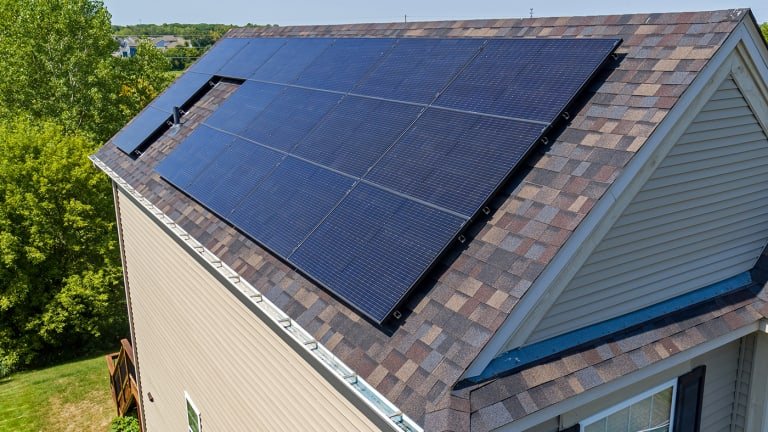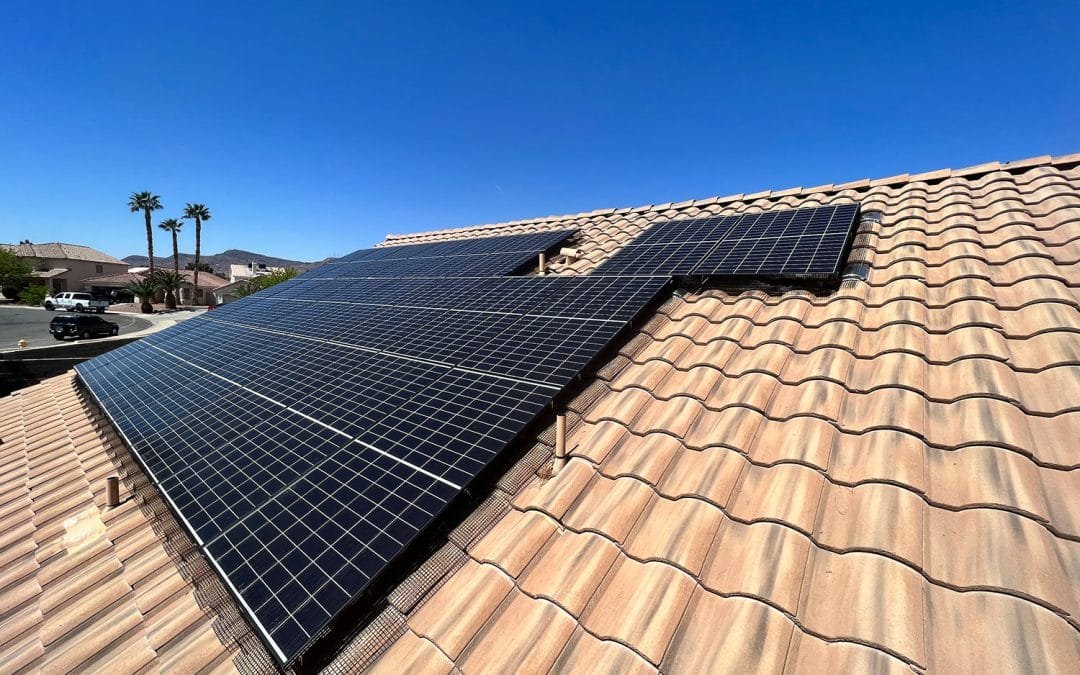
The residential solar energy market has experienced significant growth over the past decade, and 2026 is shaping up to be a pivotal year for homeowners considering the switch to solar power. Rising electricity costs, technological advancements, government incentives, and increased environmental awareness are all driving demand for home solar panel systems.
In this article, we explore the major forces shaping the residential solar industry and why more homeowners than ever are making the transition to clean, renewable energy.
1. Rising Utility Costs Are Driving Change
One of the primary reasons homeowners are investing in solar panels is the steady increase in electricity rates. Utility prices have risen consistently across many states due to inflation, infrastructure upgrades, and increased energy demand.
When homeowners install a residential solar system, they significantly reduce their dependence on grid electricity. Instead of paying unpredictable monthly bills, they generate their own power. Over time, this leads to substantial savings, especially in regions with high utility rates.
For many families, solar energy is no longer just an environmental choice — it is a smart financial decision.
2. Improved Solar Panel Efficiency
Solar technology has evolved rapidly. Modern photovoltaic (PV) panels are far more efficient than those produced even five years ago. Today’s residential solar panels can convert a higher percentage of sunlight into usable electricity, meaning homeowners need fewer panels to generate the same amount of power.
Advancements in:
- Monocrystalline cell technology
- Bifacial solar panels
- Microinverters
- Smart energy monitoring systems
have all improved overall system performance.
This increased efficiency reduces installation space requirements and maximizes rooftop production, making solar viable for more homes.
3. Government Incentives and Tax Credits
Federal and state incentives continue to play a major role in solar adoption. The federal Investment Tax Credit (ITC) allows homeowners to deduct a significant percentage of their solar installation costs from their federal taxes.
In addition to federal incentives, many states offer:
- Solar Renewable Energy Certificates (SRECs)
- Local rebates
- Property tax exemptions
- Net metering programs
These financial incentives dramatically reduce the upfront cost of installation and shorten the payback period.
For many homeowners, the return on investment (ROI) on a solar system ranges from 5–8 years, while systems often last 25–30 years or more.
4. Energy Independence and Grid Stability
Extreme weather events and aging grid infrastructure have led to more frequent power outages. Homeowners are increasingly concerned about energy security.
By combining solar panels with battery storage systems, households can store excess energy generated during the day and use it during outages or at night. This energy independence provides peace of mind and increases home resilience.
Solar-plus-storage systems are becoming one of the fastest-growing segments in the residential market.
5. Environmental Responsibility
Climate change remains a global concern. Residential solar systems directly reduce carbon emissions by decreasing reliance on fossil fuels.
A typical home solar system can offset several tons of carbon dioxide annually. Over 25 years, this represents a substantial environmental impact.
Consumers are more environmentally conscious than ever, and many homeowners want to reduce their carbon footprint while setting a positive example for future generations.
6. Increased Home Value
Studies have shown that homes equipped with solar panels often sell at a premium compared to non-solar homes. Buyers are attracted to lower energy costs and modern energy infrastructure.
Solar installations are increasingly viewed as home upgrades similar to remodeled kitchens or new roofing.
7. The Outlook for 2026 and Beyond
Industry analysts predict continued double-digit growth in residential solar installations. As battery costs decrease and smart home integration improves, solar energy will become even more appealing.
Artificial intelligence-based energy management systems are also emerging, allowing homeowners to optimize energy consumption in real time.
The future of residential solar is bright. As costs decrease and technology improves, solar energy will continue transforming how households produce and consume electricity.